
For the European automotive industry, which is preparing to showcase its latest products at the IAA TRANSPORTATION trade fair in Hanover, this is a time of major challenges and new, exciting opportunities. The ongoing energy transition, with its uncertainties regarding the timeline for implementation and the actual feasibility of the Green Deal – that is, the European Commission's plan to achieve carbon neutrality – is causing commercial and industrial vehicle manufacturers no end of concern. Added to this are the negative market repercussions linked to the adoption of protectionist measures at an international level, restrictions on the export of strategic raw materials, geopolitical tensions and rising inflationary pressures. The positive aspects – and opportunities – lie, however, in the numerous emerging technological trends, which include the electrification of transport – including long-haul transport – software-defined vehicles and value-added services linked to connectivity, to name but a few. These and other topics were the focus of an interview given to Allestimenti & Trasporti by Jürgen Mindel, Managing Director of the VDA, the German Association of the Automotive Industry.
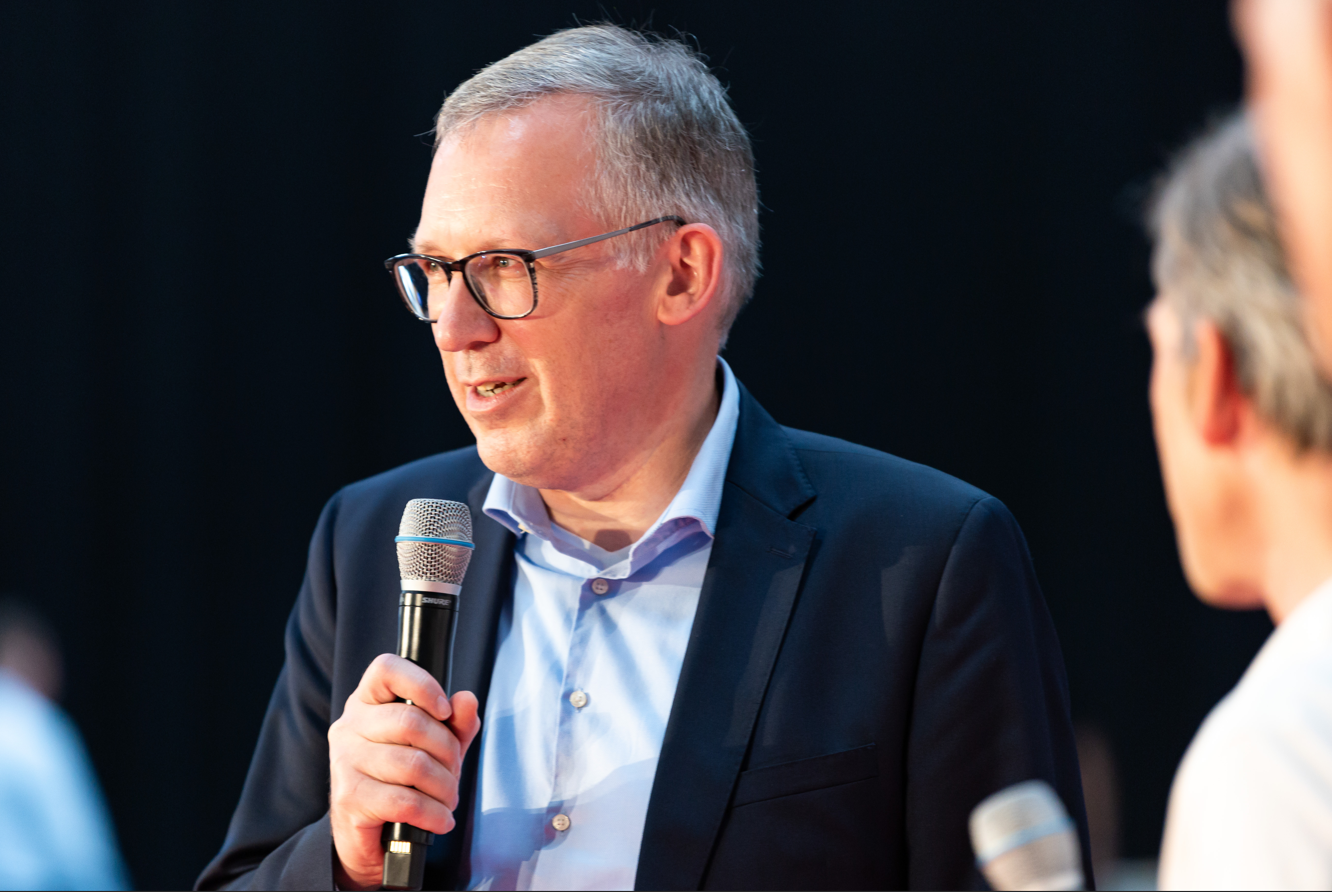
Allestimenti & Trasporti: What can we expect from the upcoming IAA Transportation in terms of innovative content and technological breakthroughs? Will there be more electric trucks? Autonomous vehicles? Software-defined vehicles? What else?
Jürgen Mindel: Hanover will provide the ideal stage for our highly innovative industry. In this context, the slogan for the 2026 edition—"We deliver"—could not be more fitting. At IAA TRANSPORTATION, we will be able to experience first-hand what logistics as a whole is capable of. We will see the achievements of the automotive industry, which doesn't just talk about goals but takes concrete action to achieve them. By offering digital solutions and green innovations for all types of vehicles, the industry is demonstrating that it has played its part in shaping the future of transport and logistics, both in Germany and across Europe. We will witness the progress made in the fields of alternative powertrains, connected and autonomous vehicles, software-based logistics solutions and charging infrastructure. At the upcoming IAA TRANSPORTATION, one of the central themes will be software-defined vehicles, which will feature prominently and play a leading role both on exhibitors' stands and during the in-depth conferences.
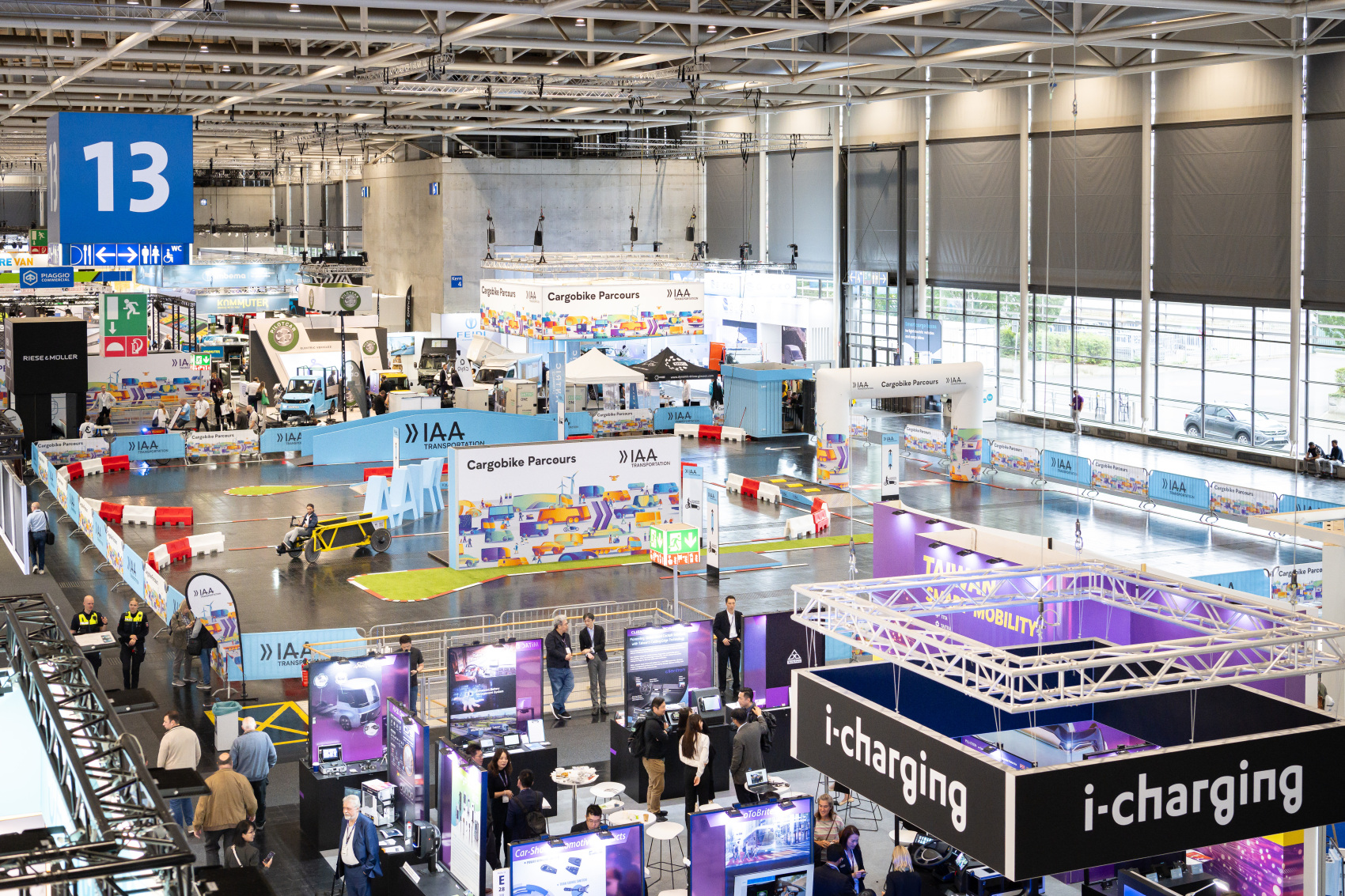
Allestimenti & Trasporti: What is the sentiment amongst companies in the automotive sector a few weeks before the show opens? Is uncertainty affecting the sector and companies' strategic decisions?
Jürgen Mindel: It is certainly no surprise that geopolitical tensions and protectionist trends represent one of the main challenges for the global automotive industry. Whether we are talking about the tariffs imposed by the United States, the general comeback of protectionism or China's restrictions on the export of crucial raw materials, there is no doubt that the international division of labour has come under pressure. At the same time, in recent years, Europe's position as an ideal location for companies' operations has become significantly less competitive. Berlin, on behalf of Germany, and Brussels, on behalf of the European Union, must urgently create better conditions for the industry, focusing on reducing bureaucracy and cutting energy costs, expanding trade agreements and committing to maintaining an open approach to technology. Furthermore, European policymakers have grossly neglected their duties regarding CO₂ fleet regulations for heavy-duty commercial vehicles, which is to say they need to take care of the necessary framework, so the goals can be reached. In particular, there is a lack of an efficient charging and hydrogen refuelling infrastructure, as well as the necessary network expansion to ensure that the ambitious goals are actually achievable. The need for corrective action and adaptation is now all the more urgent. In particular, potential fines in the fleet regulation for heavy-duty commercial vehicles must be adjusted, as the current threat of penalties jeopardizes the transition to climate-neutral mobility, Europe's position as an industrial hub and the existence of many companies—especially small and medium-sized enterprises. In other words, a reality check is urgently needed, followed by an update based on its findings.
Allestimenti & Trasporti: The European Union has a clear roadmap for reducing CO₂ emissions. But what about the enabling conditions for the decarbonisation process? Do we need more charging infrastructure? Should we increase hydrogen production? Does the industry need greater flexibility in terms of timing?
Jürgen Mindel: Particularly in the heavy-duty sector, every available technological option will play an important role in the future. On the one hand, battery-electric vehicles are finding their place in regional and long-haul transport, on the other hand, hydrogen-powered vehicles will also play a key role in operations requiring longer distances. We therefore need a policy framework that promotes an EU-wide network of hydrogen refuelling infrastructure as well as the consistent development of electric mobility infrastructure. In Italy, for example, there are only 16 charging stations for lorries over 16 tonnes, compared with 54 in Germany and 94 in France. In short, there is much for politicians to do.
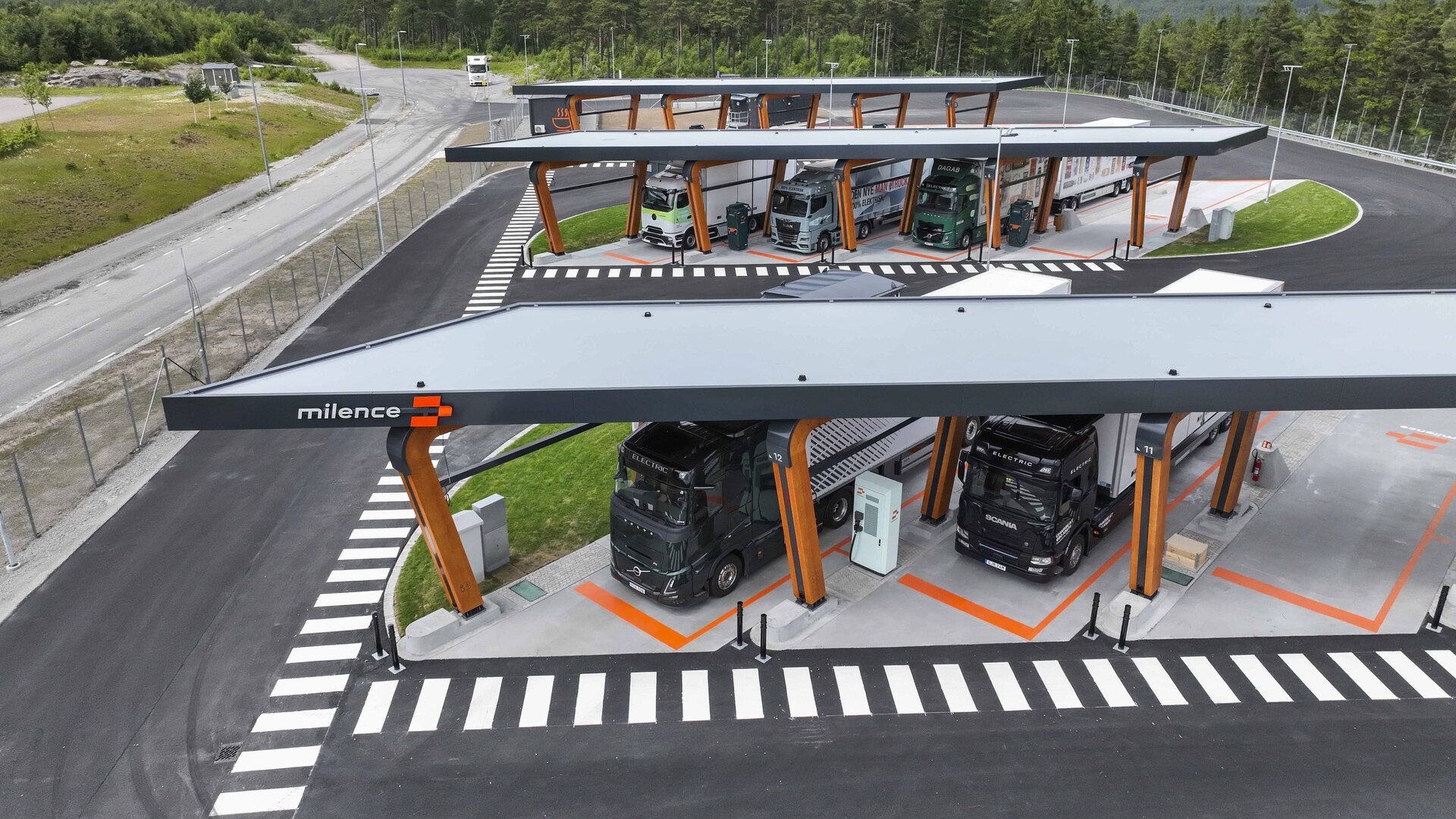
Allestimenti & Trasporti: Do you think that the rise in the price of traditional fuels could, in some way, accelerate the energy transition?
Jürgen Mindel: From our point of view, the success of electric mobility in transport depends on total cost of ownership (TCO). This means not only the purchase price of the vehicle, but above all energy costs, the availability of adequate infrastructure and after-sales support. In any case, to achieve the climate targets set by the Paris Agreement, we need a mix of all available technologies, such as battery-powered electric powertrains, synthetic fuels and hydrogen, to be used for both fuel cells and internal combustion engines.
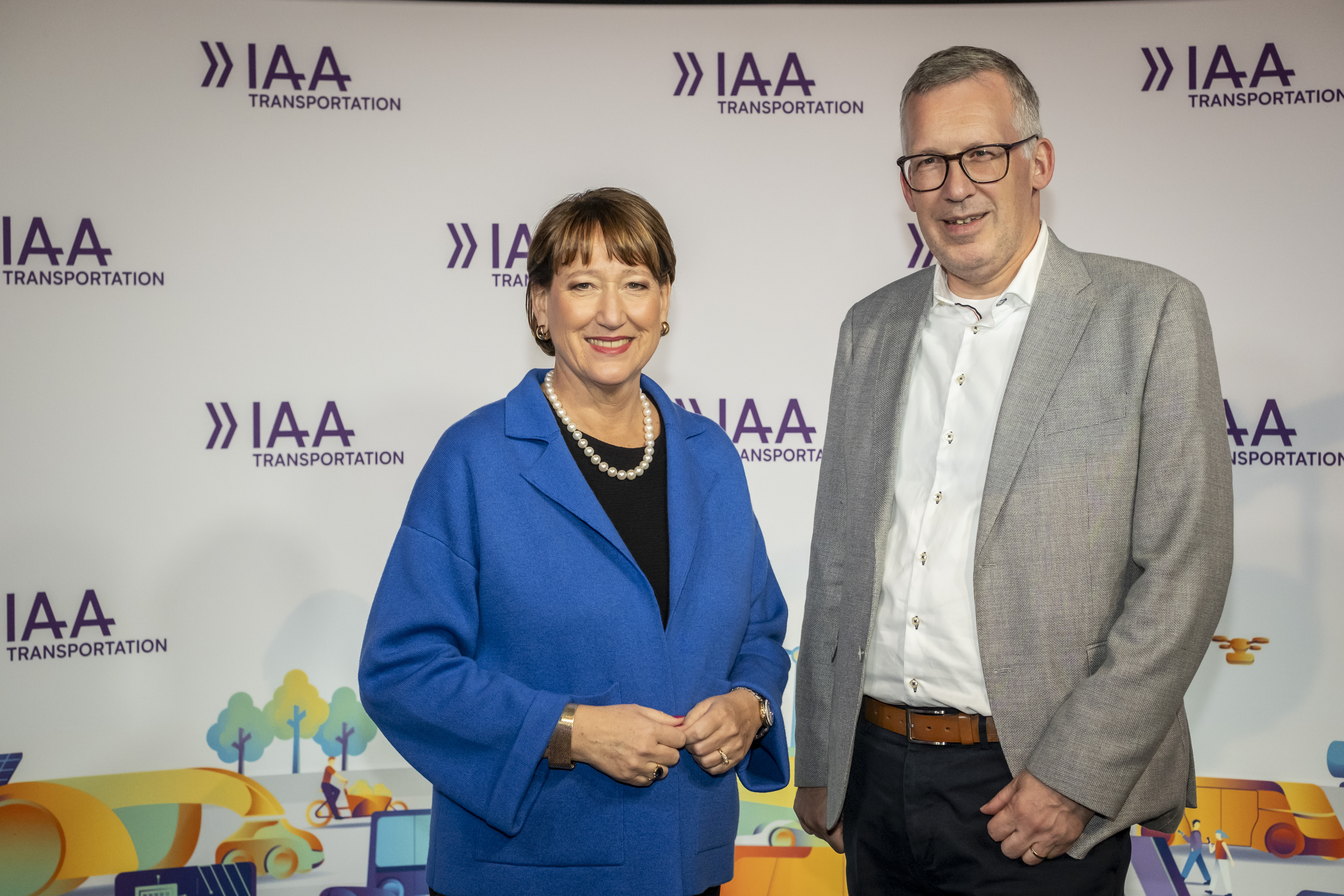
Allestimenti & Trasporti: What will the turnout of foreign exhibitors at this year's IAA TRANSPORTATION be like? Will it be stronger than in previous years?
Jürgen Mindel: The IAA TRANSPORTATION remains, once again this year, the event of choice for the transport sector. The exhibition space is practically fully booked. Major industry players, such as Renault Trucks and Mercedes-Benz Vans, have returned to Hanover. International exhibitors account for around 70 per cent of the total, with significant numbers of Chinese, Turkish and Italian companies present. Leading industry players from all over the world will be in attendance, highlighting the event's international importance for the commercial vehicle industry.
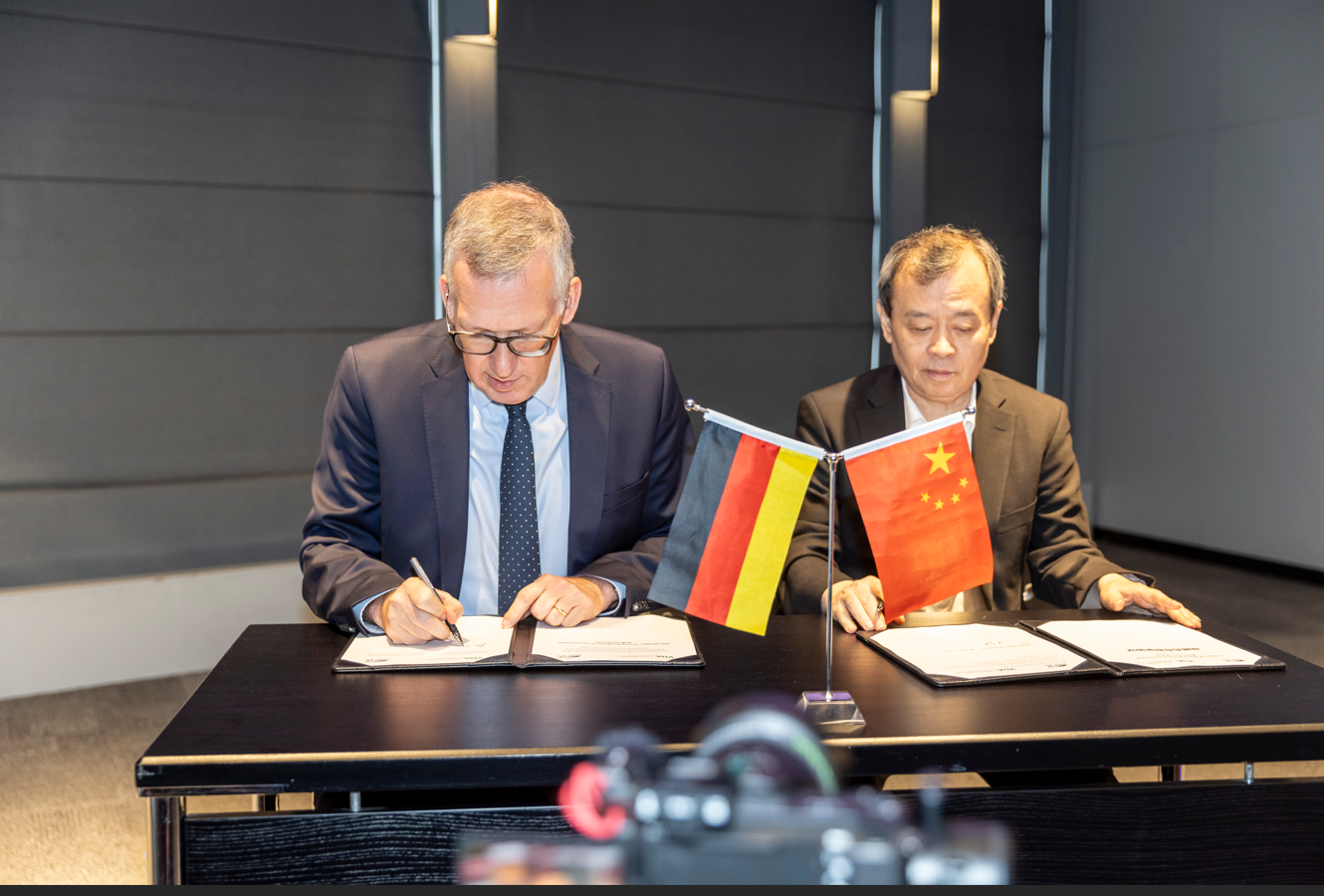
Allestimenti & Trasporti: In China, a high percentage of newly registered lorries are already electric. This is not the case in Europe. How can decarbonisation targets be achieved?
Jürgen Mindel: If we look at the situation in Europe, we see that 30 per cent of road CO₂ emissions are attributable to heavy goods transport. This means we are looking at a sector with enormous potential for decarbonisation. That is why we believe that all available technologies – battery electric vehicles, synthetic fuels and hydrogen – are essential to meeting the Paris Agreement targets. Visiting this year's IAA TRANSPORTATION one realises once again that the industry has done its task successfully.
Source:A&T

发表评论
网友评论仅供其表达个人看法,并不代表商用汽车事业部立场。